In a year of interrupted, inconsistent, and often virtual learning, when a majority of students didn't have the same access to resources such as laptops and WiFi, COVID-19 only further illuminated opportunity gaps that have always existed, and these barriers disproportionately impacted communities of color.
With the recent passage of the American Rescue Plan and the inclusion of the Summer Learning & Enrichment Collaborative, there is a record amount of funding available for learning recovery. However, we need to ensure this funding does not go to waste and that it intentionally addresses learning gaps that have been exacerbated by the pandemic. This means prioritizing existing programs like Horizons that are ready to support students' recovery, not just this summer but over the long-term.
In 2020, the need to create more opportunities for all young people to thrive and be successful came into sharp focus. COVID-19 spotlighted the disparities we’ve combated for years in under-resourced communities across the country. According to Pew Research, the majority of U.S. students don’t have the same access to resources such as laptops and WiFi, which have posed barriers to education in the time of virtual learning. These barriers, according to PEW, disproportionately impact communities of color.
What many students and families say they need right now is something we’ve been doing successfully for decades. With high-quality opportunities to learn, a strong sense of community, and close, supportive relationships, all students can recover from COVID-19 learning loss -- and excel even further ahead.
Today, our Black Voices in Education Series highlights Charlotte Forten Grimke, an anti-slavery activist, poet, and educator who helped teach the formerly enslaved in South Carolina. Charlotte was born in 1837 to a prominent abolitionist family in Philadelphia, and was home-schooled with her siblings as their father did not want them to attend a segregated school. In 1856, while enrolled in now-Salem State University to become a teacher, Charlotte became increasingly involved in the abolitionist movement, publishing several poems in anti-slavery publications and calling for Black women’s participation in the movement.
Dr. Edmund Gordon is a professor of psychology whose career work has heavily influenced contemporary thinking in psychology, education, and social policy. Dr. Gordon’s research and initiatives have focused on the positive development of under-served children of color, including advancing the concept of the “achievement gap.”
Dr. Gordon grew up in a highly segregated area of North Carolina to parents who encouraged the importance of schooling. He received both his Bachelor’s and Master’s degrees from Howard University, and went on to pursue a PhD in psychology at the Teacher’s College at Columbia University.
Septima Poinsette Clark was an educator, civil rights activist, and pioneer in grassroots citizenship education. She was born in Charleston, South Carolina in 1898, to parents who strongly encouraged education. Septima started her first teaching job on Johns Island, and spent nearly 30 years teaching throughout South Carolina, pursuing her own education during summer breaks.
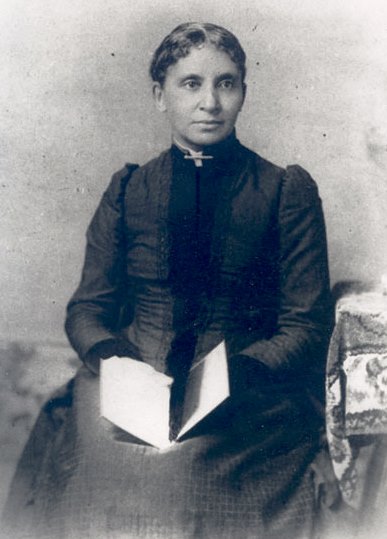 Today, our Black Voices in Education Series highlights Charlotte Forten Grimke, an anti-slavery activist, poet, and educator who helped teach the formerly enslaved in South Carolina. Charlotte was born in 1837 to a prominent abolitionist family in Philadelphia, and was home-schooled with her siblings as their father did not want them to attend a segregated school. In 1856, while enrolled in now-Salem State University to become a teacher, Charlotte became increasingly involved in the abolitionist movement, publishing several poems in anti-slavery publications and calling for Black women’s participation in the movement.
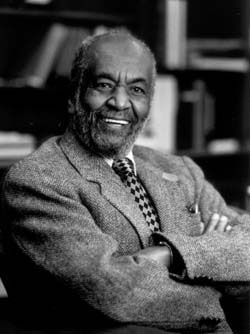 Dr. Edmund Gordon is a professor of psychology whose career work has heavily influenced contemporary thinking in psychology, education, and social policy. Dr. Gordon’s research and initiatives have focused on the positive development of under-served children of color, including advancing the concept of the “achievement gap.”
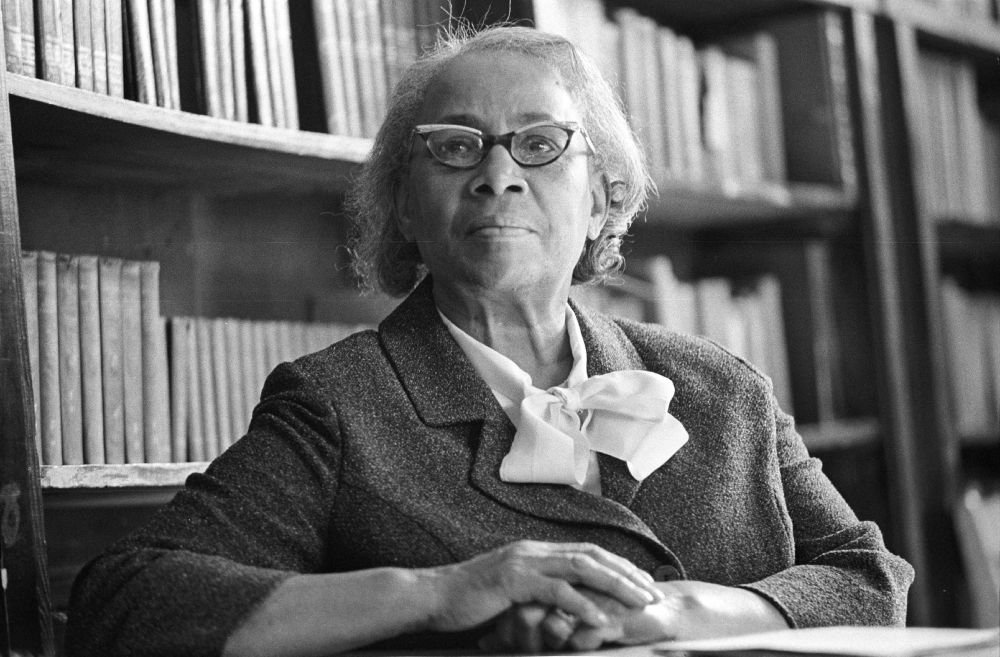 Septima Poinsette Clark was an educator, civil rights activist, and pioneer in grassroots citizenship education. She was born in Charleston, South Carolina in 1898, to parents who strongly encouraged education. Septima started her first teaching job on Johns Island, and spent nearly 30 years teaching throughout South Carolina, pursuing her own education during summer breaks.